









Rising Floodwaters Displace Indigenous Communities in Northern Canada
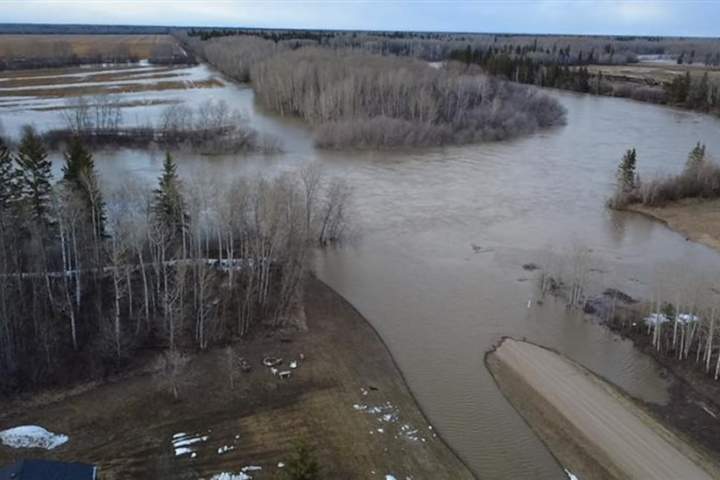
The recent surge in floodwaters in the north has left hundreds of residents of the Red Earth Cree Nation and Shoal Lake Cree Nation facing the daunting reality of displacement from their homes. As the water levels continue to rise, the situation has become increasingly dire, prompting concerns about the well-being and safety of the affected communities.
A History of Flooding and Resilience
The Red Earth Cree Nation and Shoal Lake Cree Nation have long been vulnerable to flooding, particularly in the wake of extreme weather events and changing climate conditions. However, the resilience and determination of these communities have been evident in their efforts to adapt and recover from previous flooding incidents.
The Red Earth Cree Nation, located in the province of Manitoba, has experienced its fair share of flooding in recent years. In 2011, a major flood forced the evacuation of several hundred residents, but the community came together to rebuild and recover. Similarly, the Shoal Lake Cree Nation, situated in the province of Ontario, has been grappling with flooding issues for decades. The community’s struggles to access safe drinking water and basic infrastructure have been well-documented.
Environmental Factors and Climate Change
The recent flooding in the north is attributed to a combination of environmental factors, including heavy rainfall, snowmelt, and rising temperatures. Climate change has been identified as a significant contributor to the increasing frequency and severity of extreme weather events, including floods. The Arctic, in particular, has been warming at a rate twice as fast as the rest of the planet, leading to thawing permafrost and altered water cycles.
As the global community grapples with the consequences of climate change, the displacement of Indigenous communities in northern Canada serves as a stark reminder of the urgent need for climate action and adaptation strategies. The impacts of climate change are not limited to environmental degradation; they also have significant social and economic implications for vulnerable communities.
Support and Response Efforts
In light of the ongoing flooding crisis, various organizations and government agencies are working to provide support and assistance to the affected communities. The Canadian Red Cross, the Salvation Army, and other humanitarian organizations are on the ground, providing essential supplies, shelter, and services to displaced residents.
The governments of Manitoba and Ontario have also dispatched emergency responders and resources to the affected areas. However, concerns have been raised about the adequacy of response efforts, particularly with regards to the provision of safe drinking water, sanitation facilities, and other basic necessities.
Conclusion
The displacement of residents from the Red Earth Cree Nation and Shoal Lake Cree Nation serves as a painful reminder of the ongoing struggles faced by Indigenous communities in northern Canada. As the floodwaters continue to rise, it is essential that we acknowledge the historical and ongoing impacts of colonialism, environmental degradation, and climate change on these communities. By supporting and amplifying the voices of Indigenous leaders and advocates, we can work towards a more equitable and sustainable future for all.
Source: globalnews.ca