










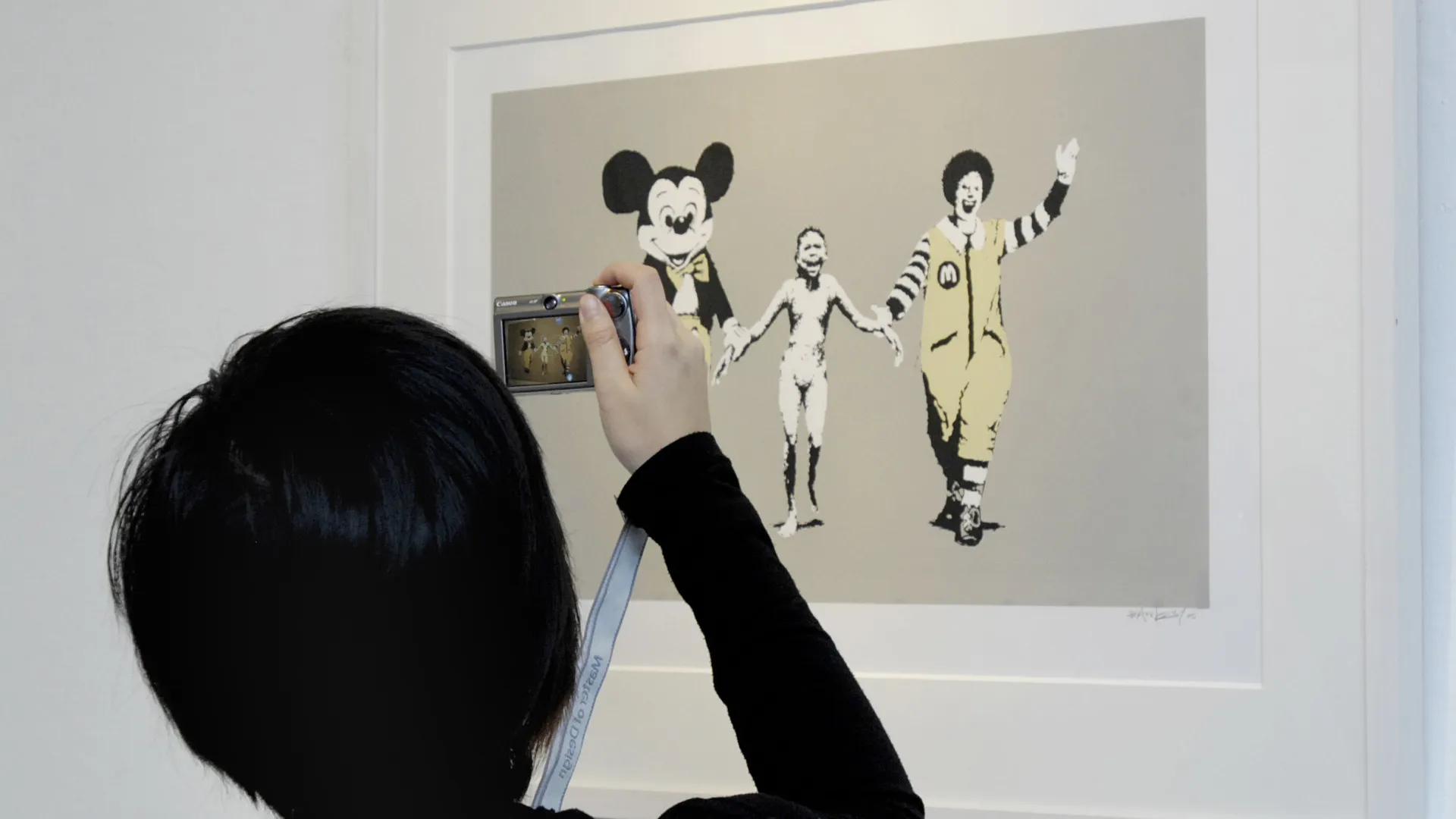
Unmasking the Enigmatic Banksy: A Closer Look at the British Street Artist
In the world of contemporary art, few figures are as shrouded in mystery as the elusive Banksy. With a career spanning over two decades, the anonymous artist has left an indelible mark on the global art scene, amassing a fortune of millions of pounds and capturing the imagination of art enthusiasts worldwide. Recent reports from Agência Reuters have pointed to Robin Gunningham as a possible identity behind the enigmatic street artist, fueling speculation about the true identity of Banksy. However, a closer examination of the artist’s background and associations reveals a more nuanced and intriguing narrative.
The Banksy Enigma: A History of Anonymity
Banksy’s decision to remain anonymous has been a defining characteristic of his career, allowing him to maintain a level of separation from the art world’s establishment and critique the very institutions he has come to represent. This air of mystery has contributed to his allure, with fans and collectors alike drawn to the idea of uncovering the artist’s true identity. Theories about Banksy’s identity have abounded, with some pointing to Robert Del Naja, a member of the British trip-hop band Massive Attack, as a possible collaborator or even the artist himself.
Connections to Robert Del Naja and Massive Attack
The connection to Robert Del Naja, also known as 3D, has been a topic of interest among art historians and enthusiasts. Del Naja’s involvement with Massive Attack has led some to speculate about the potential influence of the band’s avant-garde and experimental sound on Banksy’s artistic approach. The artist’s use of stencil work, for instance, bears some resemblance to the band’s sonic experimentation with samples and found sounds. Additionally, Del Naja’s own background in street art and graffiti, as well as his involvement in various activist projects, may have contributed to a shared aesthetic and philosophical outlook between the two.
Historical Context: The Rise of Street Art in the 1990s
Banksy’s emergence in the late 1990s coincided with a growing interest in street art and graffiti, which was gaining momentum in the aftermath of the 1980s punk movement. This era saw the rise of artists such as Jean-Michel Basquiat and Keith Haring, who were pushing the boundaries of art beyond traditional galleries and museums. Banksy’s work, with its witty commentary on politics, consumerism, and social issues, reflected the disillusionment and frustration of a generation, resonating with a broader audience and cementing his status as a key figure in the street art movement.
Implications and Future Directions
The ongoing speculation about Banksy’s identity, while intriguing, serves as a reminder of the artist’s continued relevance and influence. As the art world continues to grapple with issues of authenticity, ownership, and the role of the artist, Banksy’s enigmatic presence serves as a powerful commentary on the very fabric of the art world. With a career spanning over two decades, Banksy’s work has transcended the boundaries of art, engaging with broader social and cultural issues. As the art world continues to evolve, it will be fascinating to see how Banksy’s legacy continues to shape and inspire future generations of artists and art enthusiasts alike.
Conclusion
Banksy’s enduring enigma remains a defining characteristic of his career, allowing him to maintain a level of separation from the art world’s establishment and critique the very institutions he has come to represent. While the speculation about his identity continues, one thing is certain: Banksy’s work has left an indelible mark on the art world, serving as a powerful commentary on the social, cultural, and economic issues of our time. As the art world continues to evolve, the mystery surrounding Banksy’s identity remains a fitting testament to his enduring relevance and influence.