





Venezuela Under Pressure: Unveiling the Ramifications of Maduro’s Capture and the New Era of Governance
In the aftermath of Venezuelan President Nicolás Maduro’s capture, the South American nation has undergone unprecedented transformations, raising questions about its future trajectory. As the international community continues to scrutinize the situation, one thing is clear: the country is navigating uncharted waters. This article will delve into the key developments that have unfolded since the alleged capture, shedding light on the implications for Venezuela’s economy, social programs, and governance.
A New Era of Economic Reforms
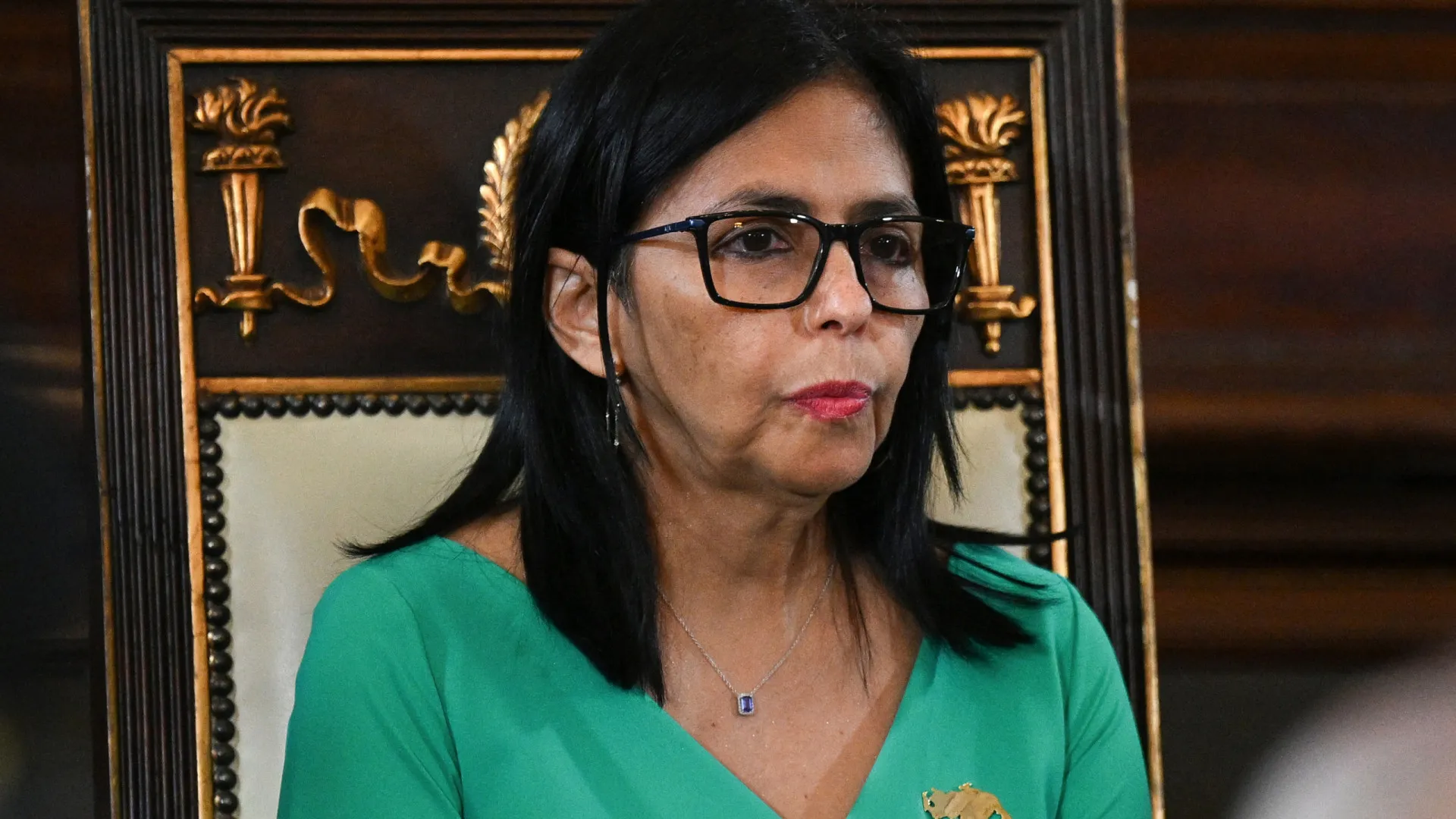
Under intense pressure from Washington, Venezuelan Vice President Delcy Rodríguez has announced a series of economic reforms aimed at stabilizing the country’s ailing economy. These measures, designed to address the crippling effects of hyperinflation and food shortages, have sparked debate among economists and policymakers. The government’s decision to adopt a new currency, the “Venezuelan Sovereign Bolivar,” is seen as a significant step towards reining in inflation, which has ravaged the country’s economy in recent years.
The Phasing Out of Chavismo’s Social Programs
One of the most contentious aspects of the new era of governance is the abolition of several social programs initiated by the Chavismo regime. These programs, which provided essential services such as healthcare, education, and food assistance to millions of Venezuelans, have been a cornerstone of the government’s social policy. Critics argue that the decision to dismantle these programs will exacerbate poverty and inequality, while proponents claim that it will help to stimulate economic growth and attract foreign investment.
A New Roster of Leaders
In a surprise move, Delcy Rodríguez has announced the appointment of a new crop of leaders to key positions within the government. These individuals, handpicked by Rodríguez, are seen as loyal allies of the regime and will likely play a crucial role in implementing the government’s new economic and social policies. The appointments have sparked speculation about the future of Venezuela’s leadership, with some analysts suggesting that Rodríguez may be positioning herself to assume the presidency in the event of Maduro’s continued absence.
Historical Context and Future Implications
To understand the magnitude of the transformations underway in Venezuela, it is essential to consider the country’s complex history. The Chavismo regime, which came to power in 1999, was characterized by a radical shift towards socialism and a deep-seated distrust of the international community. The government’s decision to abandon its socialist experiment and adopt a more market-oriented approach is a significant departure from its earlier stance. As Venezuela navigates this new era of governance, it will be crucial to monitor the government’s commitment to democratic principles, human rights, and the rule of law.
Conclusion
The capture of Nicolás Maduro and the subsequent reforms implemented by Delcy Rodríguez have set Venezuela on a new trajectory, marked by economic liberalization, social program reforms, and a new cast of leaders. While the outcomes of these developments remain uncertain, one thing is clear: the future of Venezuela will be shaped by the choices made by its leaders in the coming months and years. As the international community continues to watch with bated breath, one question looms large: will Venezuela’s new era of governance be characterized by stability, growth, and democracy, or will it perpetuate the same patterns of authoritarianism and economic mismanagement that have plagued the country for decades?