








NASA Artemis II Mission: Astronauts Share Their Lunar Journey Experiences
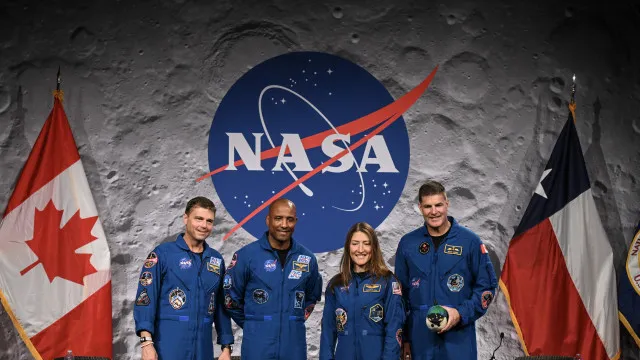
The National Aeronautics and Space Administration’s (NASA) Artemis II mission marked a significant milestone in the space agency’s efforts to return humans to the lunar surface by 2025. As part of this mission, astronauts Reid Wiseman, Victor Glover, Christina Koch, and Jeremy Hansen embarked on a historic journey to the Moon. Recently, these space travelers appeared on the popular CBS Mornings program, where they shared their extraordinary experiences and the emotions that accompanied their journey.
The Artemis II Mission: A New Chapter in Space Exploration
The Artemis II mission is a crucial step towards NASA’s ultimate goal of establishing a sustainable presence on the lunar surface. This mission aimed to send astronauts on a lunar flyby, testing the capabilities of the Space Launch System (SLS) rocket and the Orion spacecraft. The successful completion of this mission has paved the way for future lunar missions, including the Artemis III mission, which will see the first woman and the next man set foot on the Moon.
Astronauts Share Their Experiences
During their appearance on CBS Mornings, the astronauts shared their experiences of the long-duration spaceflight. Reid Wiseman, a veteran NASA astronaut, described the thrill of witnessing the Earth from the lunar distance. “It’s a perspective that few people have had, and it’s a perspective that changes your life,” he said. Victor Glover, the first African American to visit the International Space Station, emphasized the importance of the Artemis II mission in promoting diversity and inclusion in space exploration.
Christina Koch, a record-breaking astronaut who spent 328 days in space, spoke about the emotional highs and lows of the mission. “It’s a rollercoaster of emotions, from the excitement of launch to the sadness of leaving our loved ones behind,” she said. Jeremy Hansen, a Canadian astronaut, shared his experiences of preparing for the mission and the importance of teamwork in space exploration.
Historical Context and Future Implications
The Artemis II mission is a significant milestone in NASA’s efforts to return humans to the lunar surface. The mission builds on the success of the Apollo program, which saw the first humans walk on the Moon in 1969. The Artemis program aims to establish a sustainable presence on the lunar surface, with the goal of eventually sending humans to Mars.
The success of the Artemis II mission has implications for future space exploration. The development of the SLS rocket and the Orion spacecraft has paved the way for future lunar missions. The mission has also demonstrated the importance of international cooperation in space exploration, with NASA partnering with space agencies from around the world to achieve its goals.
Conclusion
The Artemis II mission has marked a significant milestone in NASA’s efforts to return humans to the lunar surface. The astronauts who embarked on this journey have shared their extraordinary experiences, highlighting the thrill of space exploration and the importance of teamwork and diversity in achieving this goal. As NASA looks to the future, the success of the Artemis II mission has paved the way for future lunar missions, including the Artemis III mission, which will see the first woman and the next man set foot on the Moon.
Source: Notícias ao Minuto Brasil – Tech