










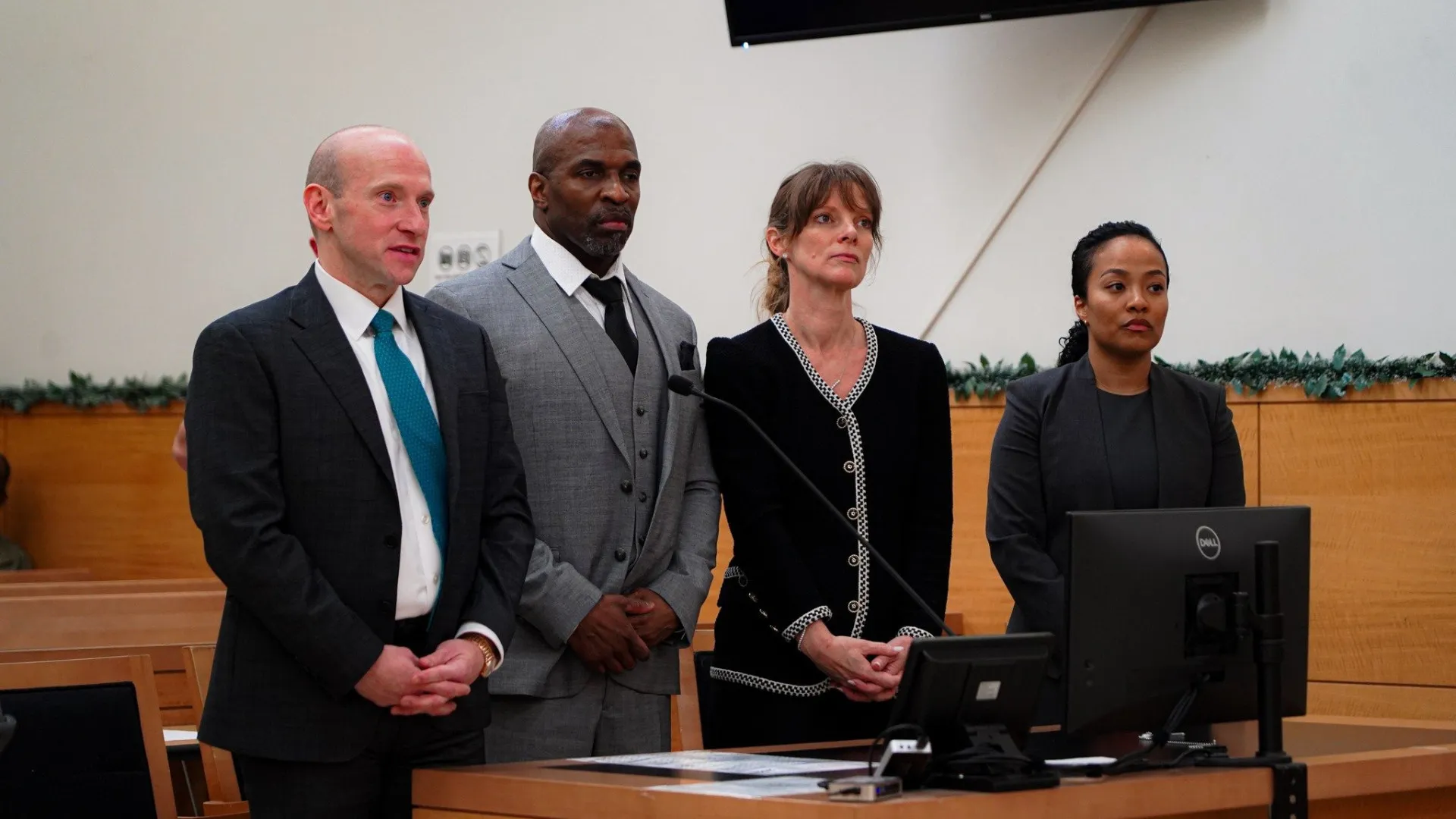
Exonerated After Two Decades: A Case of Wrongful Conviction in the US Justice System
The story of Kenneth Windley, a man who spent nearly two decades behind bars for a crime he did not commit, serves as a stark reminder of the fallibility of the US justice system. A recent judicial review of Windley’s case has finally brought closure to the wrongly convicted individual, with the court declaring his innocence after new evidence emerged to support his account of events.
A Lengthy Ordeal of Wrongful Imprisonment
Kenneth Windley’s ordeal began in 2004, when he was arrested and charged with armed robbery and kidnapping in Oklahoma. Despite his adamant claims of innocence, Windley was convicted and sentenced to 40 years in prison. The conviction was based largely on circumstantial evidence and testimony from a single eyewitness, who later recanted their statement.
Windley’s case is a stark illustration of the issues plaguing the US justice system, including eyewitness misidentification, coerced confessions, and the reliance on dubious forensic evidence. The Innocence Project, a non-profit organization dedicated to exonerating wrongfully convicted individuals, estimates that nearly 25% of wrongful convictions in the US are due to eyewitness misidentification.
New Evidence Reveals the Truth
A review of Windley’s case by the court in 2023 uncovered new evidence that cast significant doubt on the original conviction. This evidence, which included DNA analysis and testimony from a key witness, confirmed Windley’s long-held claim of innocence. The court’s decision to exonerate Windley marks a significant victory for justice and serves as a testament to the tireless efforts of Windley’s lawyers and advocates.
Lessons from the Windley Case
The Windley case highlights the importance of ensuring the integrity of the US justice system. It underscores the need for reforms aimed at reducing the risk of wrongful convictions, including the implementation of DNA testing and the use of expert witnesses to challenge dubious forensic evidence. Furthermore, the case emphasizes the critical role that lawyers and advocates play in pursuing justice and advocating for the rights of wrongfully convicted individuals.
A New Beginning for Kenneth Windley
Kenneth Windley’s exoneration marks the beginning of a new chapter in his life. After nearly two decades of wrongful imprisonment, Windley is finally free to rebuild his life and seek compensation for the harm inflicted upon him. His story serves as a powerful reminder of the need for continued reform and vigilance in the US justice system, where the rights of the accused must be protected and the pursuit of justice must be upheld.
Conclusion
The Windley case is a tragic reminder of the flaws in the US justice system and the devastating consequences of wrongful convictions. However, it also serves as a testament to the power of perseverance, advocacy, and the pursuit of justice. As the US continues to grapple with the issues of wrongful convictions and mass incarceration, the Windley case offers valuable lessons for reform and serves as a beacon of hope for those fighting for justice and redemption.