









Nuclear Disaster Zone Transforms into Rare Wildlife Refuge
In the aftermath of devastating nuclear catastrophes, the surrounding environment often appears to be forever marred by the scars of radioactive contamination. However, in a striking example of nature’s resilience, the area surrounding the Chernobyl nuclear disaster in Ukraine has surprisingly evolved into a unique sanctuary for a wide array of wildlife species.
A Rare Case of Adaptation and Recovery
Since the catastrophic accident in 1986, which released massive quantities of radioactive materials into the atmosphere, the surrounding Exclusion Zone has been largely uninhabited by humans due to the extreme levels of radiation. Conversely, this same zone has become a thriving habitat for numerous species of plants and animals that have adapted and evolved to coexist with the toxic environment. While some species have managed to return to the area without significant changes, others have undergone remarkable mutations, exhibiting altered physical characteristics, altered reproductive cycles, and even changes in their genetic makeup.
Unprecedented Opportunities for Scientific Research
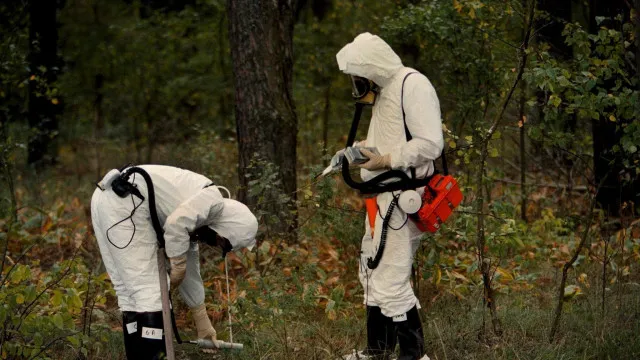
The Chernobyl Exclusion Zone presents an unparalleled opportunity for scientists to study the complex dynamics of adaptation and recovery in a unique, real-world laboratory setting. By analyzing the various species that inhabit this contaminated area, researchers can gain valuable insights into the processes that govern the relationship between species and their environment. Furthermore, the study of these organisms can shed light on the underlying mechanisms of genetic adaptation, offering potential applications in fields such as biotechnology and conservation biology.
Historical Context and Implications
The transformation of the Chernobyl Exclusion Zone into a wildlife sanctuary serves as a poignant reminder of the delicate balance between human activities and the natural world. The catastrophic consequences of the 1986 accident led to a massive displacement of human populations, resulting in the establishment of the Exclusion Zone. However, this event also created a unique opportunity for scientists to study the long-term effects of radiation on the environment and the species that inhabit it.
Long-term Implications and Future Directions
As our understanding of the complex interactions between species and their environment continues to evolve, the Chernobyl Exclusion Zone will undoubtedly remain a vital hub for scientific research and discovery. The study of this unique ecosystem will not only inform our understanding of the fundamental processes that govern life on Earth but also provide valuable knowledge for the development of strategies aimed at mitigating the impact of environmental disasters and promoting the recovery of damaged ecosystems.
Conclusion
In a world where human activities increasingly threaten the delicate balance of our planet’s ecosystems, the Chernobyl Exclusion Zone offers a rare and fascinating example of nature’s capacity for adaptation and recovery. As we continue to grapple with the complexities of environmental conservation and the long-term effects of human activities, the study of this unique ecosystem will undoubtedly provide invaluable insights into the intricate relationships between species and their environment.