









Rescue Efforts Underway: Devastating Aftermath of Recent Disaster
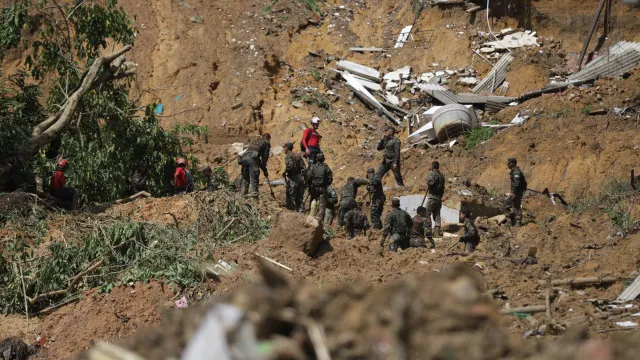
As the world grapples with the aftermath of a recent natural disaster, rescue efforts continue to unfold, with a focus on saving lives and providing aid to those affected. The local fire department has reported rescuing 340 individuals in 16 separate incidents, a testament to their tireless efforts in the face of adversity. Meanwhile, the Civil Defense agency has issued a statement, highlighting the scale of the disaster, with 422 people rendered homeless and 1,068 displaced.
A Complex Operation: Coordinating Rescue and Relief Efforts
The rescue operation is a complex and multifaceted endeavor, requiring the coordination of various agencies and emergency services. The fire department, in collaboration with other emergency responders, has been working around the clock to locate and extract individuals trapped in the affected areas. The Civil Defense agency has also been instrumental in providing support, including the distribution of essential supplies and the establishment of temporary shelters for those in need.
Historical Context: Understanding the Impact of Natural Disasters
Natural disasters have long been a source of devastation, with communities worldwide grappling with the aftermath of catastrophic events. The impact of such disasters can be far-reaching, with long-term effects on the economy, infrastructure, and the environment. In recent years, the frequency and severity of natural disasters have increased, highlighting the need for proactive measures to mitigate their effects.
A Growing Concern: Climate Change and Natural Disasters
Climate change has been identified as a major contributing factor to the increasing frequency and severity of natural disasters. Rising temperatures and changing weather patterns have led to more intense storms, floods, and wildfires, placing communities worldwide at risk. The ongoing disaster serves as a stark reminder of the need for urgent action to address the root causes of climate change and to develop effective strategies for mitigating its effects.
A Call to Action: Supporting Those Affected
As the rescue efforts continue, it is essential to acknowledge the long-term needs of those affected by the disaster. The displacement of 1,068 individuals and the homelessness of 422 people underscore the need for sustained support and assistance. The international community must come together to provide aid, including financial support, essential supplies, and infrastructure reconstruction. By working together, we can help to rebuild communities and support those in need, ensuring a more resilient and sustainable future for all.
Conclusion: A Collective Response to a Global Challenge
The recent disaster serves as a poignant reminder of the importance of preparedness, resilience, and collective action in the face of adversity. As we move forward, it is essential to acknowledge the complexities of natural disasters and the need for a comprehensive approach to addressing their effects. By working together, we can build stronger, more sustainable communities and support those affected by disasters, both locally and globally.