






US-Iran Conflict: Trump’s War Powers Deadline Approaches Amid Congressional Backlash
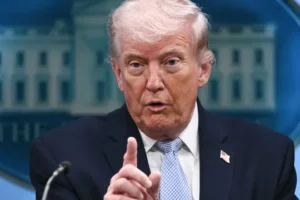
In the midst of escalating tensions between the United States and Iran, President Donald Trump’s deadline to obtain Congress’s approval for continuing the war in the Middle Eastern country is rapidly approaching. The US War Powers Act, enacted in 1973 in response to the Vietnam War, stipulates that the President must seek Congressional authorization for military conflicts lasting more than 60 days. With the Iran-US conflict having begun on February 28, the President is now facing a May 1 deadline to secure the necessary approval from Congress.
Historical Context: The Evolution of War Powers
The US War Powers Act was a response to the prolonged involvement of US troops in the Vietnam War, which sparked widespread criticism of the President’s authority to engage in military conflicts without Congressional oversight. The Act aims to balance the President’s executive powers with Congressional accountability, ensuring that the legislative branch is informed and involved in major military decisions. However, the law has been criticized for its ambiguity and limited effectiveness in preventing unauthorized wars.
Congressional Resistance and the Iran-US Conflict
In recent weeks, a growing number of Congressional Republicans and Democrats have expressed concerns about the ongoing conflict with Iran, citing the lack of a clear strategy or Congressional approval. As the May 1 deadline approaches, lawmakers are increasingly calling for Trump to seek Congressional authorization for the war. This development marks a significant shift in Congressional stance, with some lawmakers even proposing legislation to restrict Trump’s ability to engage in further military action without approval.
Future Implications and International Repercussions
The outcome of this standoff between Trump and Congress has significant implications for US foreign policy and international relations. If the President fails to obtain Congressional approval, it could lead to a constitutional crisis, with potential repercussions for the global balance of power. Conversely, if Congress denies the President’s request, it may set a precedent for future conflicts, potentially limiting the executive branch’s ability to engage in military action without oversight.
Conclusion: A Tipping Point in US Foreign Policy
As the May 1 deadline approaches, the US-Iran conflict has reached a critical juncture. The outcome of this standoff will have far-reaching consequences for US foreign policy, Congressional authority, and international relations. Will Trump secure Congressional approval, or will the War Powers Act serve as a check on the President’s executive powers? The world waits with bated breath as this historic confrontation unfolds.